Side-by-side comparison of current backpack and handheld flamethrower platforms, plus discontinued reference entries for context.
Flamethrower buyers usually face a split decision: maximize range and output with a backpack platform, or prioritize portability with a battery-powered handheld system. This comparison keeps the selection criteria factual and repeatable. Instead of leaning on hype, it focuses on published flame range, burn time, fuel capacity, operating weight, ignition method, and how visible each brand's current pricing is. Those metrics matter because they change how the tool behaves in the field. Long-range systems tend to be heavier, fuel-hungrier, and harder to move around. Smaller torches are easier to store and deploy, but they give up stream length and total output. For practical use cases like weed control, burn-pile starts, property maintenance, and controlled fire work, those tradeoffs are more important than brand language. This page also includes a few discontinued reference units, including the M2-2 and The Boring Company's Not-a-Flamethrower, so modern commercial systems have some historical and cultural context.
Best-effort comparison of build tier, propellant, ignition, battery
dependence, and durability-style flags. Hover the icon chips for the exact
build, propellant, or igniter details.
Feature
Not-a-Flamethrower
The Boring Company
M2-2
US Army
XL18
Throwflame
X15
Throwflame
ARC
Throwflame
XM42 Lite
X Products
Pulsefire LRT
Exothermic Technologies
Pulsefire UBF
Exothermic Technologies
Pulsefire Compact
Exothermic Technologies
Build
Mostly plastic. Plastic outer shell around a propane torch-style core
All metal. Metal tank group and wand hardware typical of wartime military construction
All metal. Metal backpack platform built around industrial-duty torch and frame hardware
All metal. Metal backpack platform with brass torch hardware and a metal tank/frame assembly
All metal. 6061 aluminum body and accessory ecosystem
Metal-heavy. Aluminum and stainless steel components
Mixed materials. Official manual lists aluminum, Viton, and brass as primary materials
Mixed materials. Official manual lists aluminum, Viton, and brass as primary materials
Mostly plastic. Injection-molded polymer design with a smaller internal pump system
Propellant
Propane
Nitrogen propellant
CO2 propellant
CO2 propellant
Battery + electric pump
Battery / fuel pump
LiPo battery / fuel pump
LiPo battery / fuel pump
Battery / internal pump
Igniter / Pilot Torch
Spark
Magnesium cartridges
Butane
Propane
Plasma arc
Butane pilot
Electric arc
Electric arc
Electric arc
Batteries Required
Not batteries required
Not batteries required
Not batteries required
Not batteries required
Batteries Required
Batteries Required
Batteries Required
Batteries Required
Batteries Required
Waterproof
Waterproof
Waterproof
Waterproof
Waterproof
Not waterproof
Not waterproof
Not waterproof
Not waterproof
Not waterproof
Corrosion Resistant
Corrosion Resistant
Not corrosion resistant
Corrosion Resistant
Corrosion Resistant
Corrosion Resistant
Not corrosion resistant
Not corrosion resistant
Not corrosion resistant
Not corrosion resistant
Napalm Compatible
Not napalm compatible
Napalm Compatible
Napalm Compatible
Napalm Compatible
Not napalm compatible
Not napalm compatible
Not napalm compatible
Not napalm compatible
Not napalm compatible
Detailed Spec Breakdowns
Per-model breakdowns
Each card keeps the technical facts compact: published specs first, build-material notes next, and sourcing and buy-path context after that.
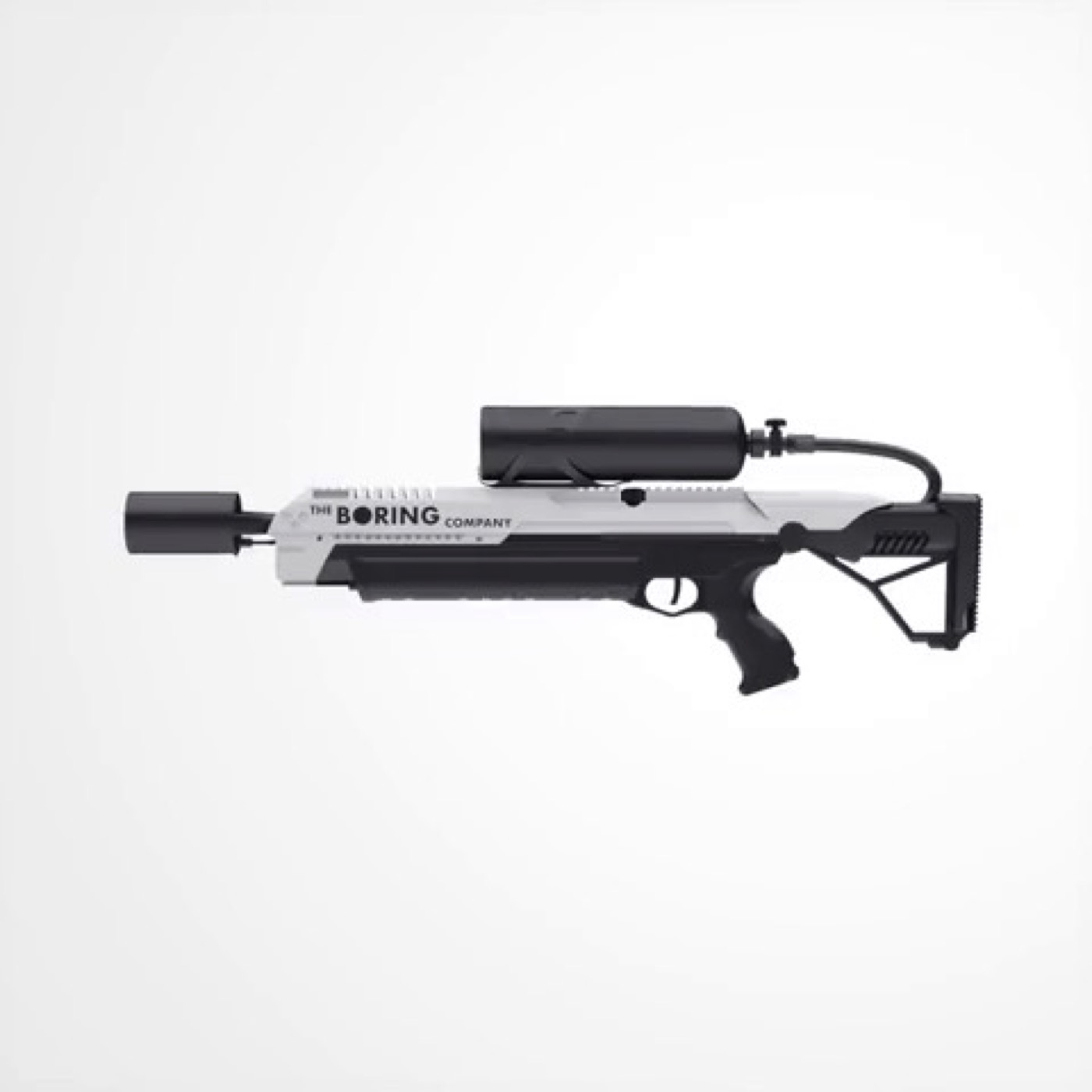
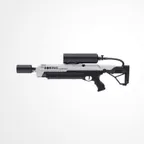
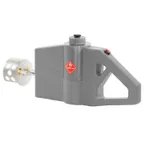
Novelty propane torch included here as a cultural reference point, not as a current retail flamethrower option.
Range
3 ft
Burn time
1 min
Fuel system
Propane
Current price
$500 original price
Build materials
Mostly plastic Plastic outer shell around a propane torch-style core
Our score
4.8 / 10
Aesthetics: 5/5 • Build
Quality: 2/5 • Support: 2/5
Fun industrial-design novelty, but limited support value now that it is long sold out and not positioned like a serious tool platform.
Core metrics
Fuel capacity: 14.1 oz bottle
Weight: 8 lbs
Napalm compatible: No
Ignition: Manual torch ignition
Propulsion: Propane vapor pressure
Safety notes
Manual gas valve control
Propane bottle shutoff at the source
Torch-style design rather than a liquid-fuel backpack or pump system
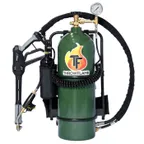
Historic military backpack flamethrower that still serves as a useful benchmark when comparing modern long-range platforms.
Range
80 ft
Burn time
8 sec
Fuel system
Gasoline, diesel, or thickened fuel mixtures
Current price
$30,000-$50,000 collector market estimate
Build materials
All metal Metal tank group and wand hardware typical of wartime military construction
Our score
6.3 / 10
Aesthetics: 5/5 • Build
Quality: 4/5 • Support: 1/5
Excellent historical presence and serious hardware, but not a modern commercial support ecosystem.
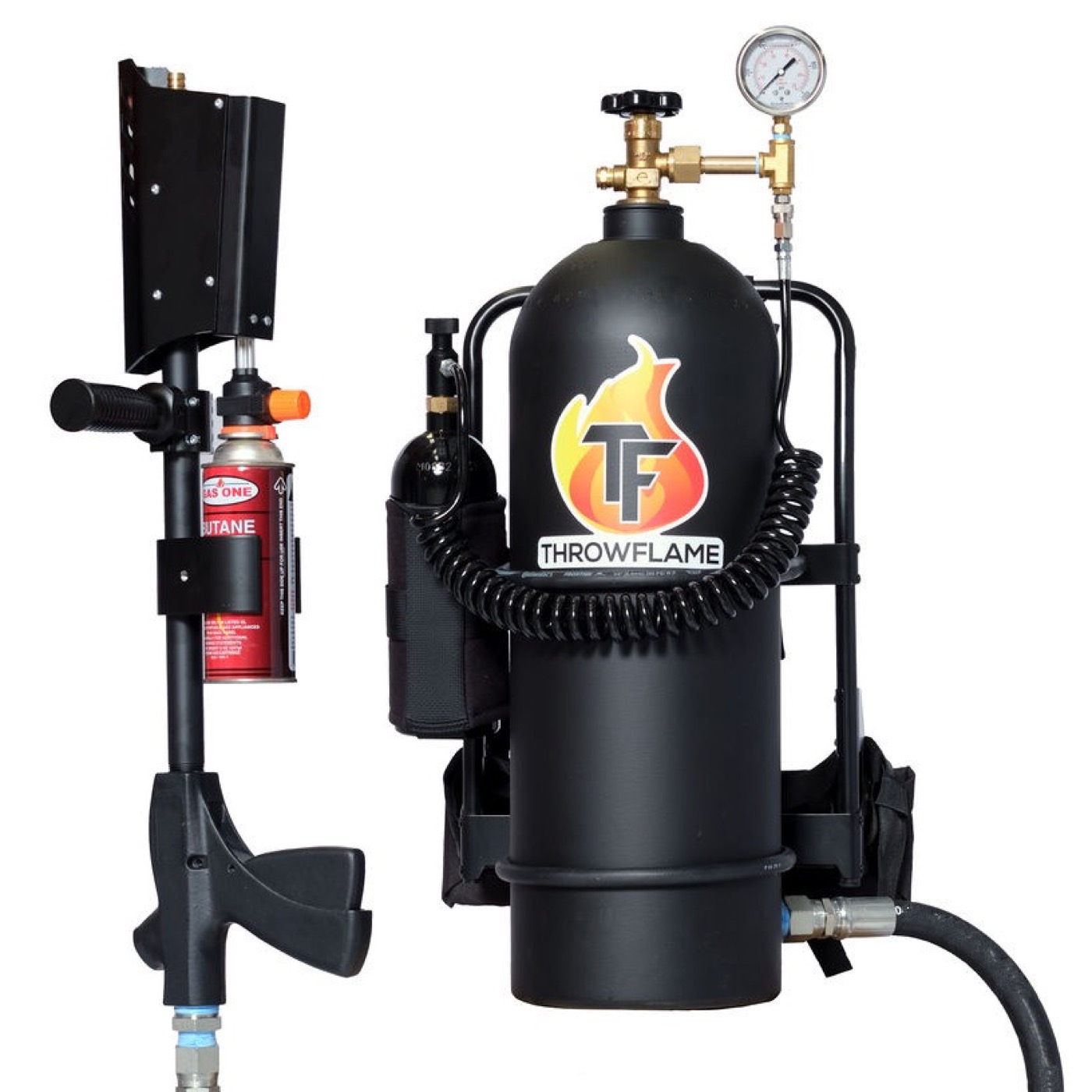
A Throwflame backpack platform that gives up XL18-level output for a more approachable price point and longer published firing time.
Range
50 ft
Burn time
1 min
Fuel system
Gasoline or gasoline-diesel mix
Current price
$1,699-$1,850 depending on finish
Build materials
All metal Metal backpack platform with brass torch hardware and a metal tank/frame assembly
Our score
9.4 / 10
Aesthetics: 5/5 • Build
Quality: 5/5 • Support: 5/5
Excellent fit for buyers who want proven Throwflame support, strong warranty signals, and a more approachable price than the XL18.
Throwflame's compact all-electric handheld model with a 30-foot published range, direct product-page pricing, and a modular accessory ecosystem.
Range
30 ft
Burn time
30 min
Fuel system
Gasoline only
Current price
$699-$899 depending on battery package
Build materials
All metal 6061 aluminum body and accessory ecosystem
Our score
9.2 / 10
Aesthetics: 5/5 • Build
Quality: 5/5 • Support: 4/5
Modern premium design with a real metal body and strong brand support, held back only by being newer than Throwflame's backpack lineup.
A popular alternative in the portable space. It brings a 33-foot reach to a 9 lb package, relying on an electric pilot light and a butane canister rather than plasma arc ignition.
Range
33 ft
Burn time
23 sec
Fuel system
Gasoline or gasoline-diesel mix
Current price
$699.99 direct retail
Build materials
Metal-heavy Aluminum and stainless steel components
Our score
7.9 / 10
Aesthetics: 4/5 • Build
Quality: 4/5 • Support: 4/5
Solid metal construction and reasonable reach for a handheld. The pilot torch ignition feels a bit older than modern plasma arcs, but it works reliably.
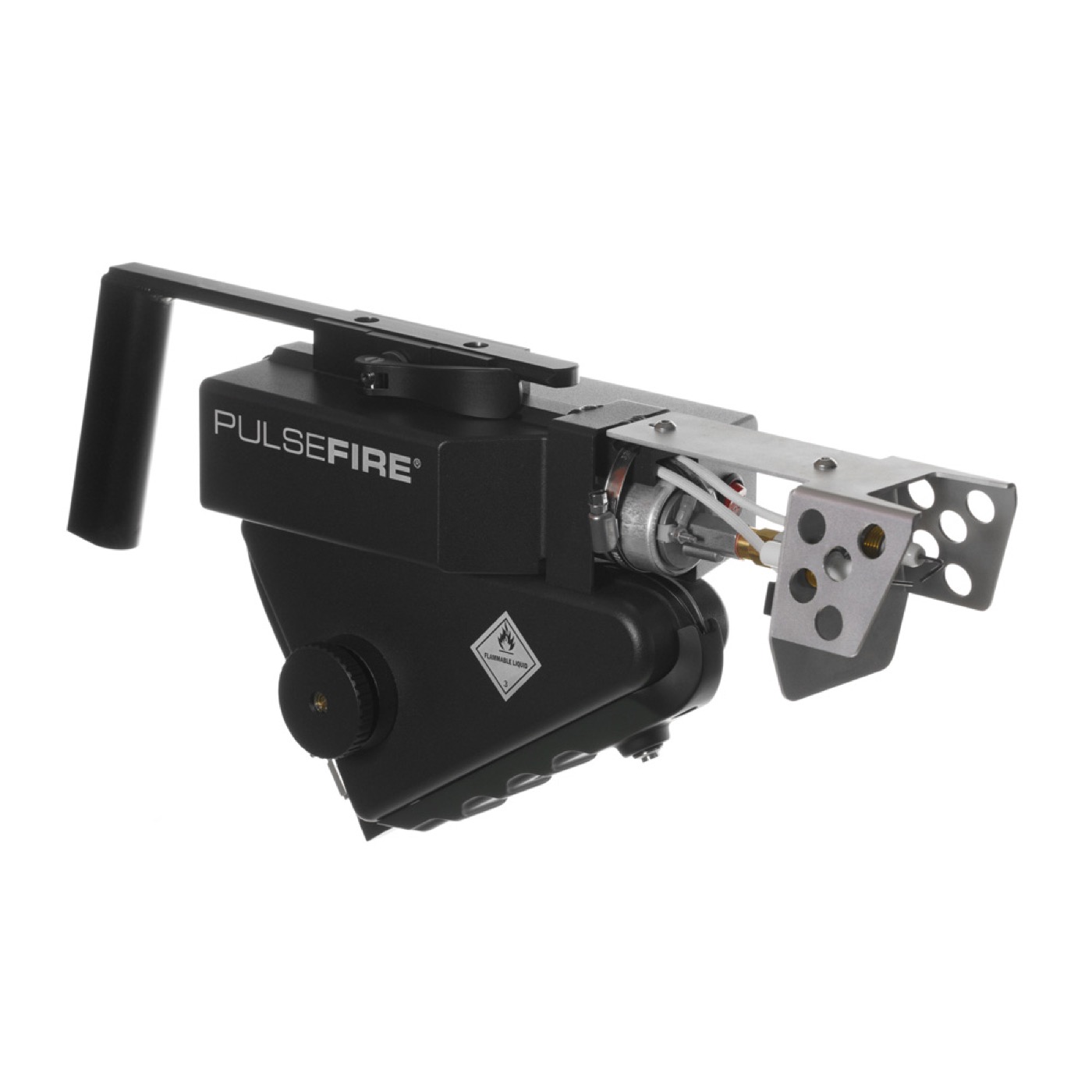
A battery-powered handheld torch with automatic arc ignition and documented 25-foot reach under ideal conditions.
Range
25 ft
Burn time
27 sec
Fuel system
Gasoline only
Current price
Dealer pricing varies
Build materials
Mixed materials Official manual lists aluminum, Viton, and brass as primary materials
Our score
8.1 / 10
Aesthetics: 4/5 • Build
Quality: 4/5 • Support: 4/5
Still a respected enthusiast favorite with better materials than many people assume and meaningful support history from Exothermic.
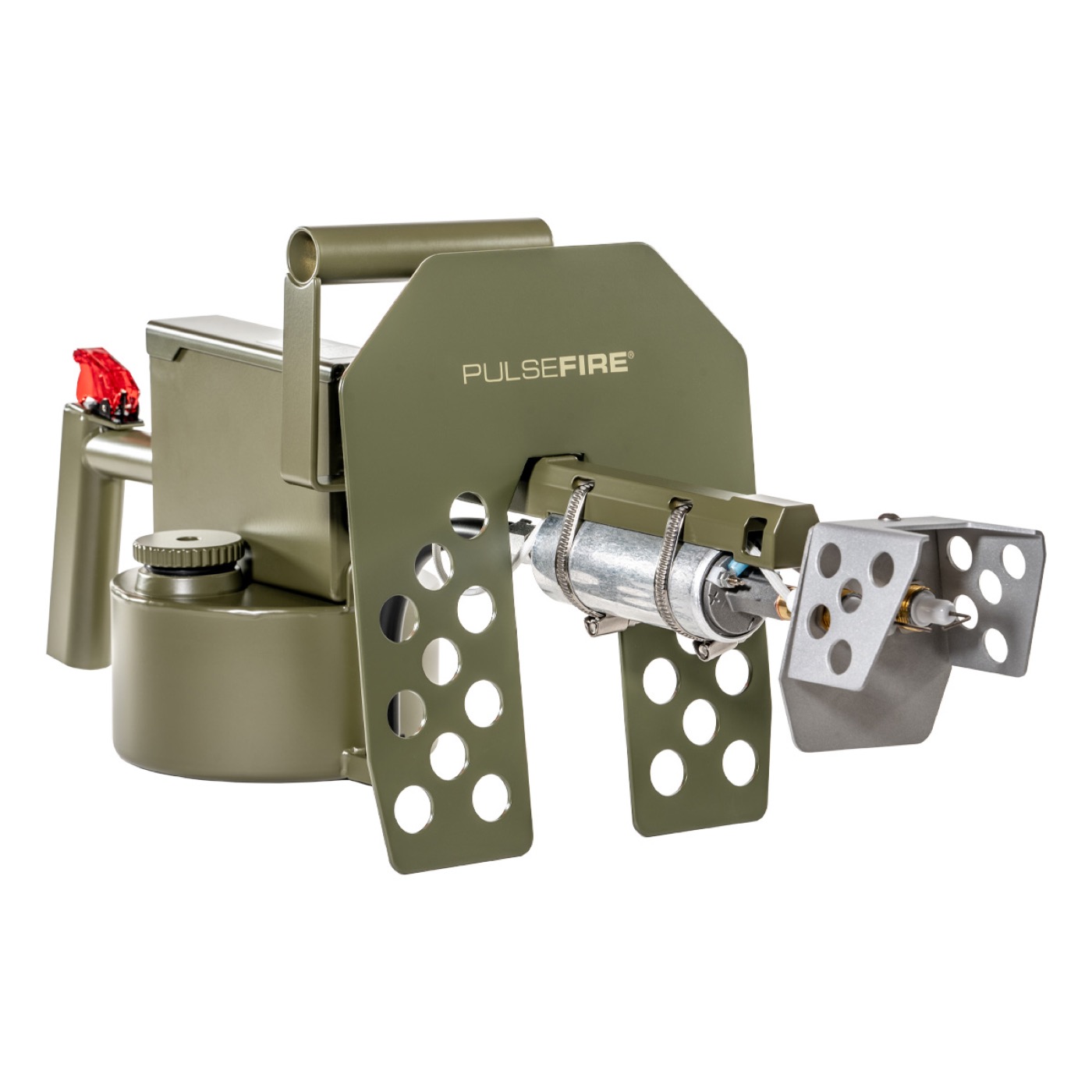
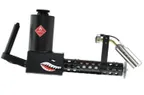
Compact underbarrel-capable variant of the LRT platform with the same published reach and a smaller onboard reservoir.
Range
25 ft
Burn time
22 sec
Fuel system
Gasoline only
Current price
$600 MSRP
Build materials
Mixed materials Official manual lists aluminum, Viton, and brass as primary materials
Our score
7.8 / 10
Aesthetics: 4/5 • Build
Quality: 4/5 • Support: 4/5
Good niche design for compact setups, with the same support and material story as the LRT but a narrower use case.
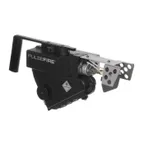
Newest entry in Exothermic's lineup with a shorter 15-foot stream and a smaller platform aimed at budget-conscious buyers.
Range
15 ft
Burn time
12 sec
Fuel system
Gasoline only
Current price
$280 direct retail
Build materials
Mostly plastic Injection-molded polymer design with a smaller internal pump system
Our score
6.4 / 10
Aesthetics: 3/5 • Build
Quality: 2/5 • Support: 4/5
Interesting budget entry, but the plastic-heavy build keeps it from feeling as confidence-inspiring as the stronger metal options.
Use the chart to see which models trade carry weight for more reach, and which ones stay compact at the cost of range.
Price & Availability Tracker
Current price and availability
This section shows the latest current price notes and availability notes currently loaded into the site. Longer history can be added over time as new monthly updates are reviewed.
Model
March 2026 snapshot
Availability note
Not-a-Flamethrower
$500 original price
Sold out on The Boring Company product page; not currently for sale
M2-2
$30,000-$50,000 collector market estimate
Historic military unit; not a current retail product
XL18
$3,450 direct retail
In stock on official product page
X15
$1,699-$1,850 depending on finish
In stock on official product page
ARC
$699-$899 depending on battery package
Standard ARC in stock; ARC Pro listed on backorder
XM42 Lite
$699.99 direct retail
In stock on official product page
Pulsefire LRT
Dealer pricing varies
Manufacturer directs buyers to dealer network
Pulsefire UBF
$600 MSRP
Manufacturer directs buyers to dealer network
Pulsefire Compact
$280 direct retail
In stock on official product page
Buying Considerations
How to compare fuel systems and use cases
Backpack CO2 systems win on range and stream volume, but they require
more setup and much more carry weight.
Build materials matter more than a lot of buyers expect. Metal units
usually hold up better to heat, impact, and long-term wear, while
plastic-heavy designs tend to prioritize lower cost and lighter carry
weight.
Our score is intentionally opinionated. It folds together aesthetics,
perceived build quality, and how much we trust the company behind the
product based on support signals like warranty and track record.
Battery-powered handheld systems cut deployment friction and storage
footprint, but published burn times stay short.
Quote-based sales can be a signal that dealer support, freight, or
configuration matters more than impulse retail checkout.
What specs matter most when comparing flamethrowers?
Start with range, weight, burn time, and fuel capacity. That combination usually tells you how powerful the unit feels, how tiring it is to carry, and how often you will need to refill it.
Are published ranges real-world guarantees?
No. Published ranges are usually best-case numbers. Wind, fuel mix, maintenance, and technique can all change what you actually get.
Why are some current prices missing?
Some brands still do not show a simple buy-now price. When pricing is dealer-only or quote-based, the table says that instead of making up a number.